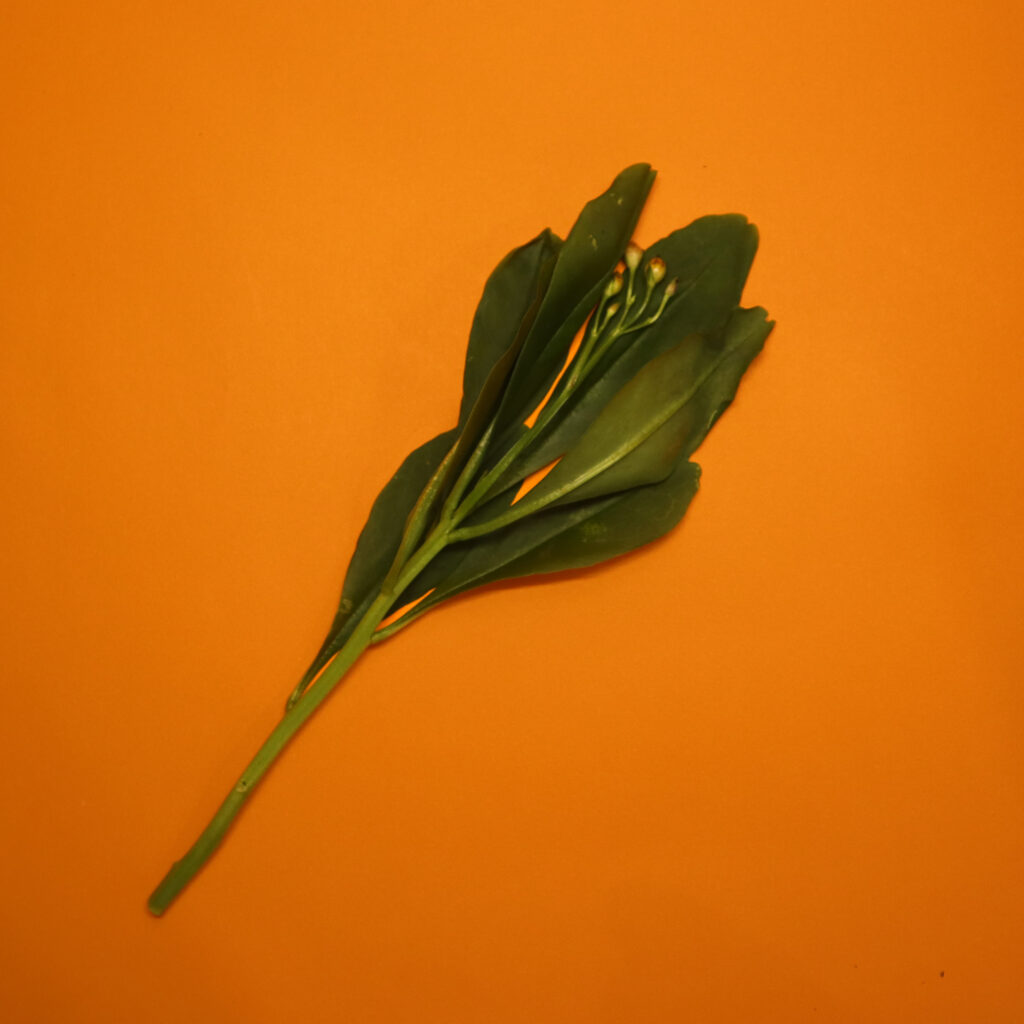
Lagikway, known by various regional names such as “Nating Saluyot” or “Gikway”, is often mistaken for Saluyot due to its slimy consistency. It can be found in places such as the backyard or along roadsides.
Rich in iron, calcium, and vitamins A and C, it also contains more protein than leafy vegetables like cabbage and lettuce, with soft, digestible leaves suitable for infants (Algar et al., 2017; WHO).
To properly store in the refrigerator, wrap it in paper towels and/or paper bag to absorb moisture. This keeps its shelf life lasting up to two weeks.

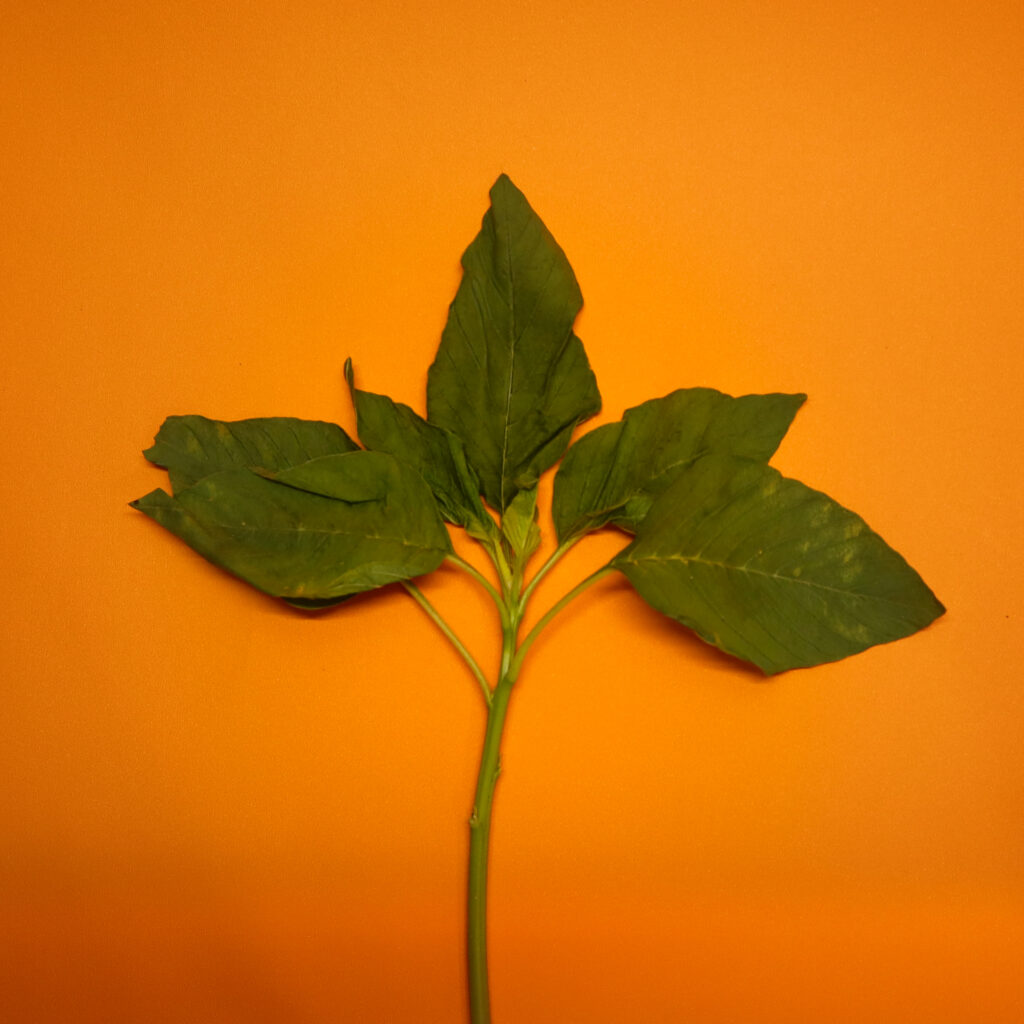
Kulitis is a leafy vegetable found throughout the Philippines. They have different variations and colors, such as dark green, light green, and red. They can be commonly seen by riverbanks, gardens, and backyards.
Low in calories and nutrient-dense, it contains vitamins A, B6, C, K, riboflavin, folate, and minerals like calcium and iron, supporting anemia, immunity, and bone health (Olusanya et al., 2021), and is recognized by the National Nutritional Council as a sustainable Filipino “superfood.”
To properly store in the refrigerator, wrap it in paper towels and/or paper bag to absorb moisture. This keeps its shelf life lasting up to two weeks.

Talinum, commonly known as Philippine spinach, is a resilient, fast-growing succulent herb often found in backyards and gardens across the Philippines. The leaf texture is a little moist, like human skin that’s soft and a little damp. The most notable element of the plant is the eye-catching five-petal pink flowers.
High in antioxidants, talinum contains calcium, phosphorus, and iron, along with vitamins A and C, supporting bone health, anemia prevention, eye health, and reduced disease risk (Manikandan, 2022).
To properly store in the refrigerator, wrap it in paper towels and/or paper bag to absorb moisture. This keeps its shelf life lasting up to two weeks.
Note: This preview contains only a few pages.